

Project development: Brazil
Ecosapiens is a multidisciplinary studio focused on building healthy environments. It works on ecological projects and projects across technologies, buildings, and territories, integrating people and nature.
In this installation, we present a response to a warming world through construction with hemp, a plant species that captures CO2 from the atmosphere during its development.
When its fibers are used in hempcrete (a mixture of hemp and lime), the captured carbon is stored in the building for decades, ultimately resulting in a positive carbon balance resulting in a low environmental impact building that helps mitigate climate change.
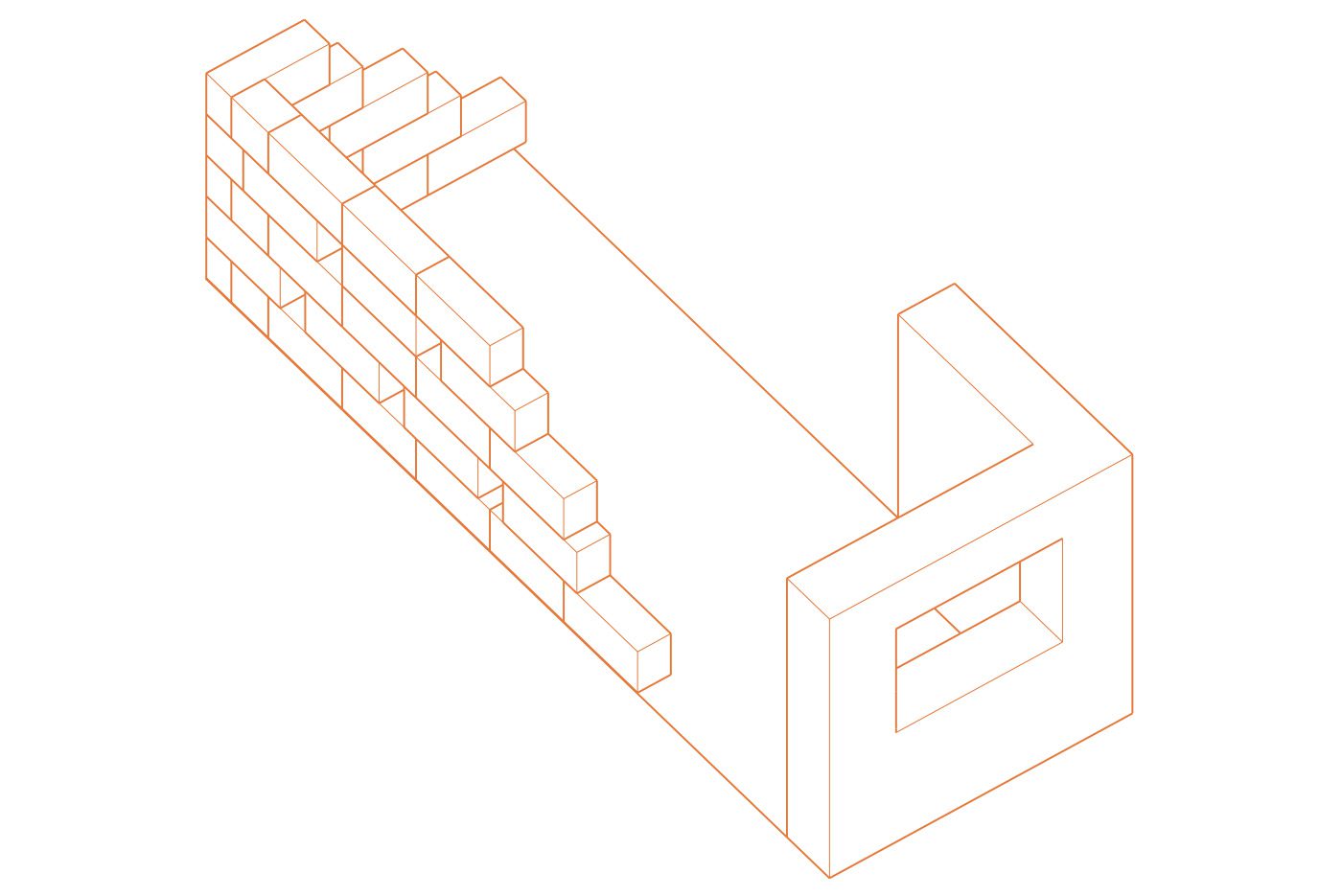
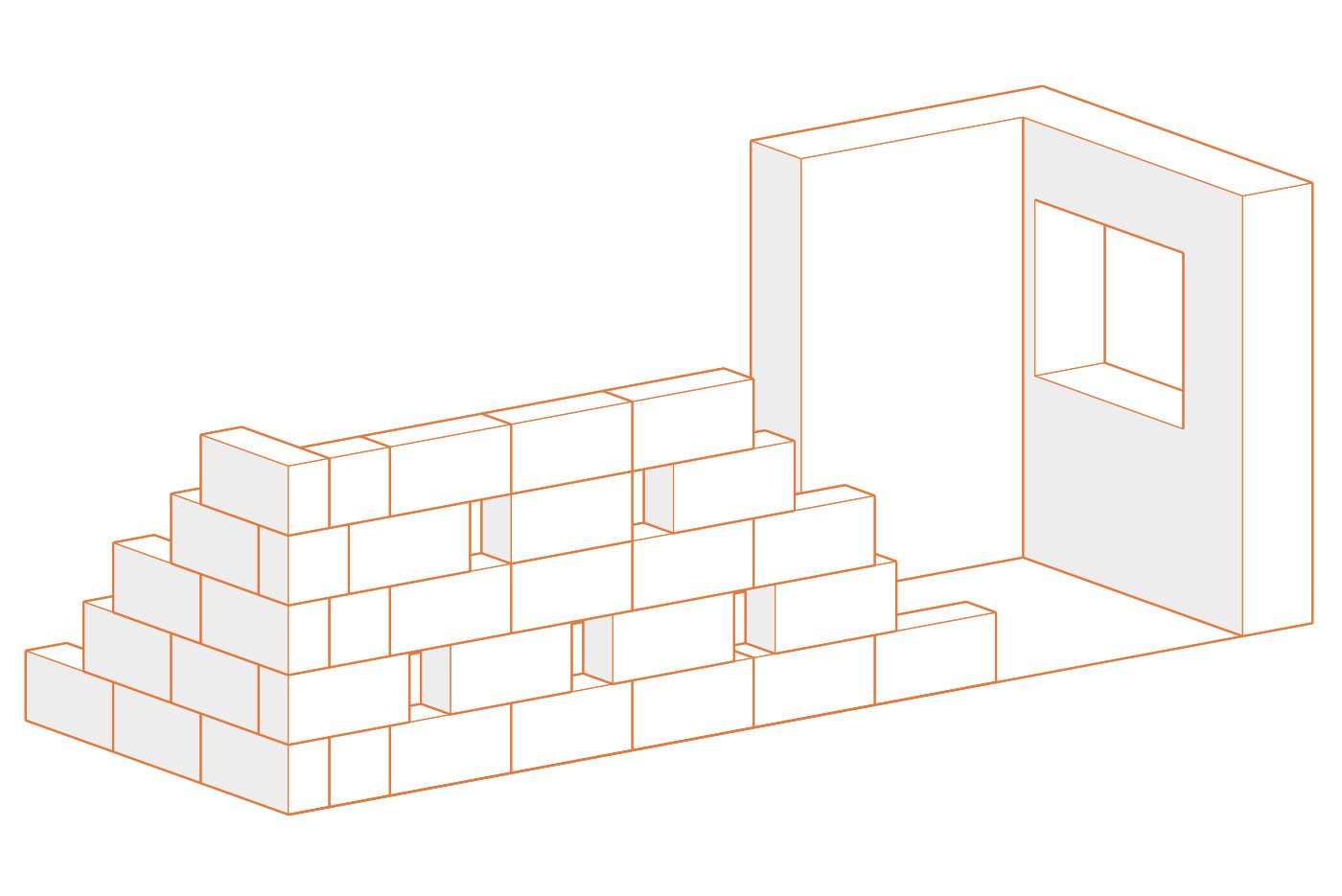
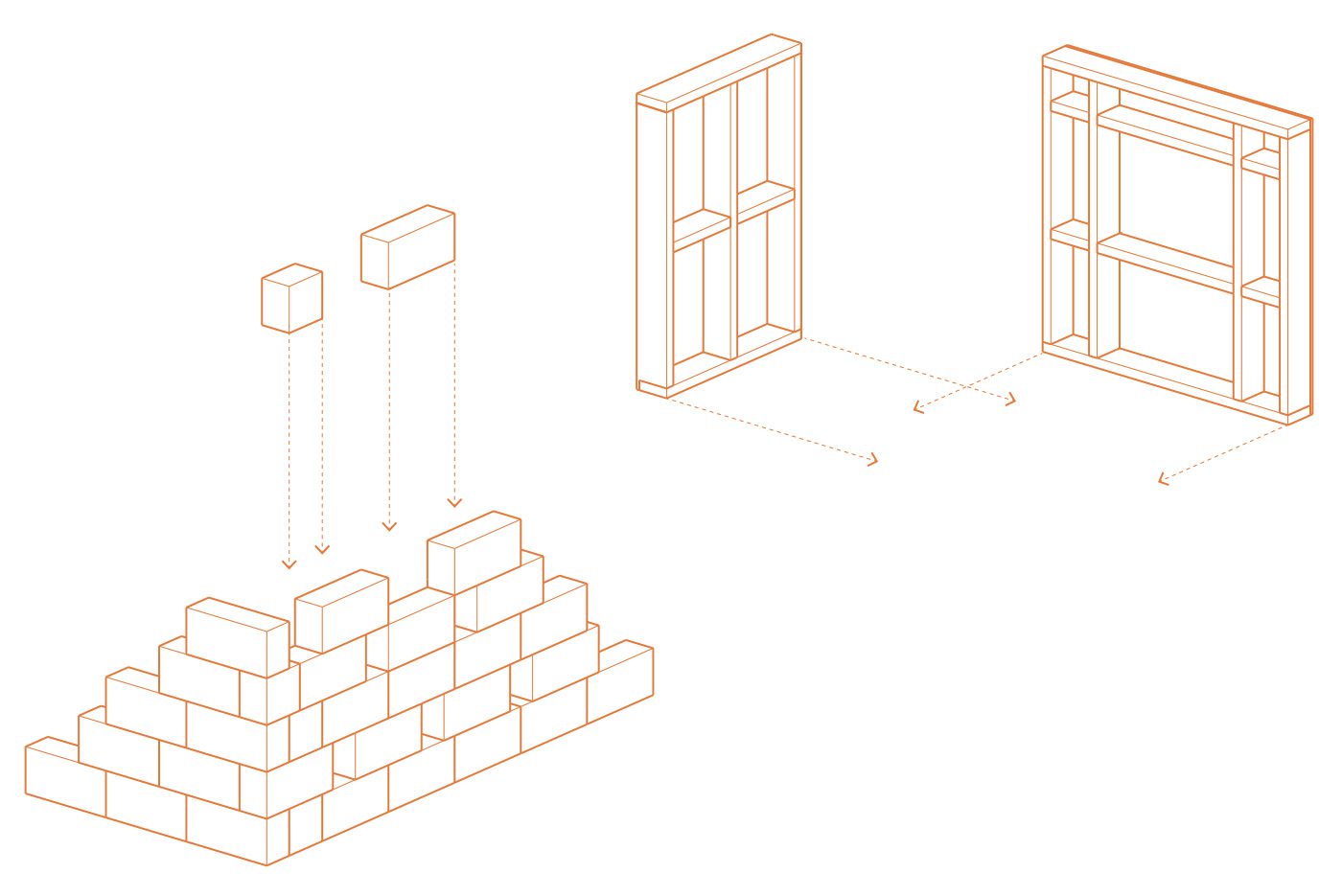
The installation combines a prefabricated module made of wood, lime and hemp panels and another module made of bricks built on site, highlighting the versatility of the technique used in construction as a seal, which is very efficient from a thermal and acoustic point of view.
In addition to hemp, in Brazil it makes sense to consider building with other fibers such as sugarcane and coconut, which, when mixed with lime, have characteristics similar to hempcrete.
In Brazil, hemp is produced by associations for therapeutic purposes whose medicinal value is indisputable and its fiber, precisely the material used in construction, is still an unused byproduct.
Since we have no tradition of industrial hemp cultivation, its agroecological production creates an essential social value chain, allowing small farmers to remain in the countryside with dignity.