

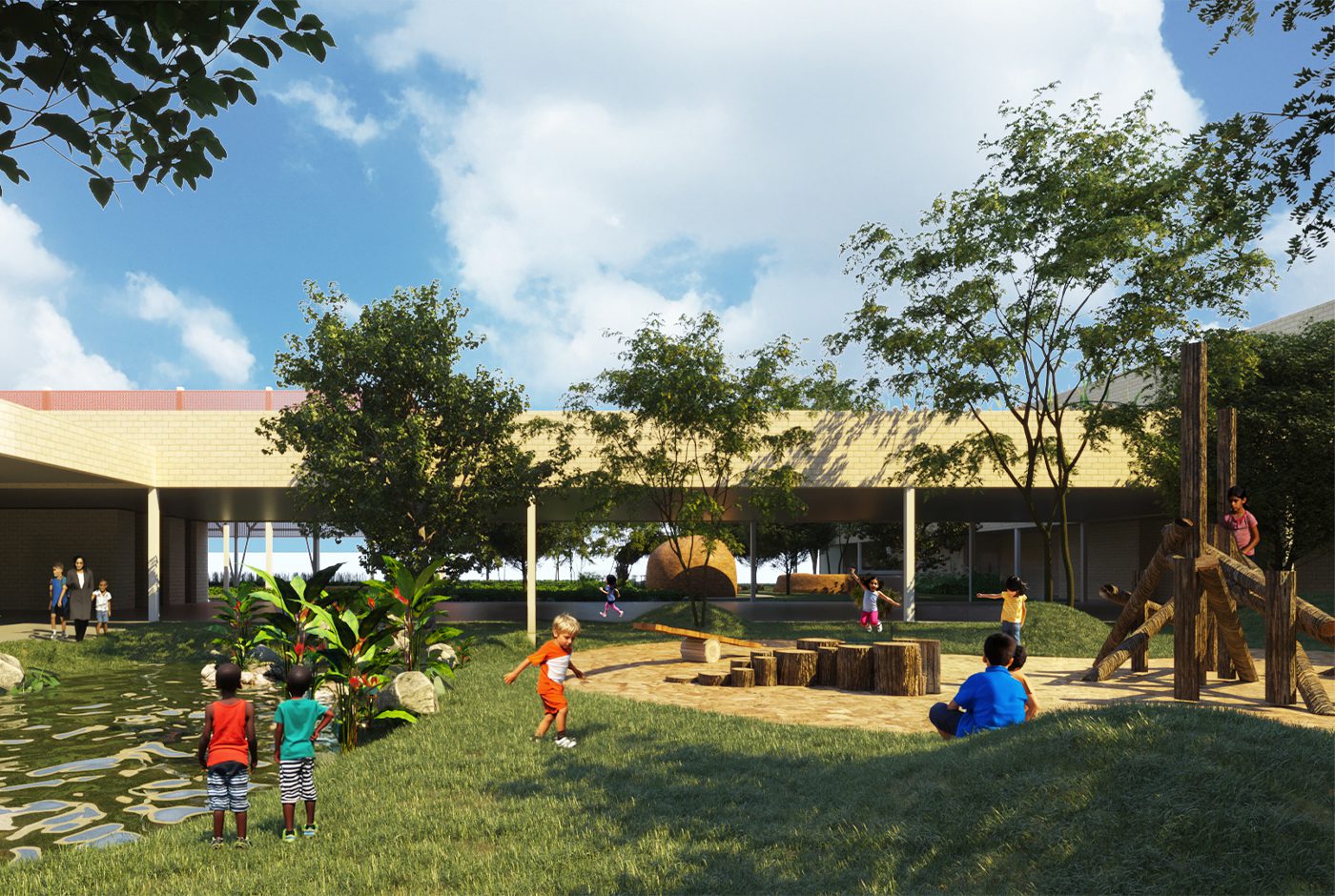
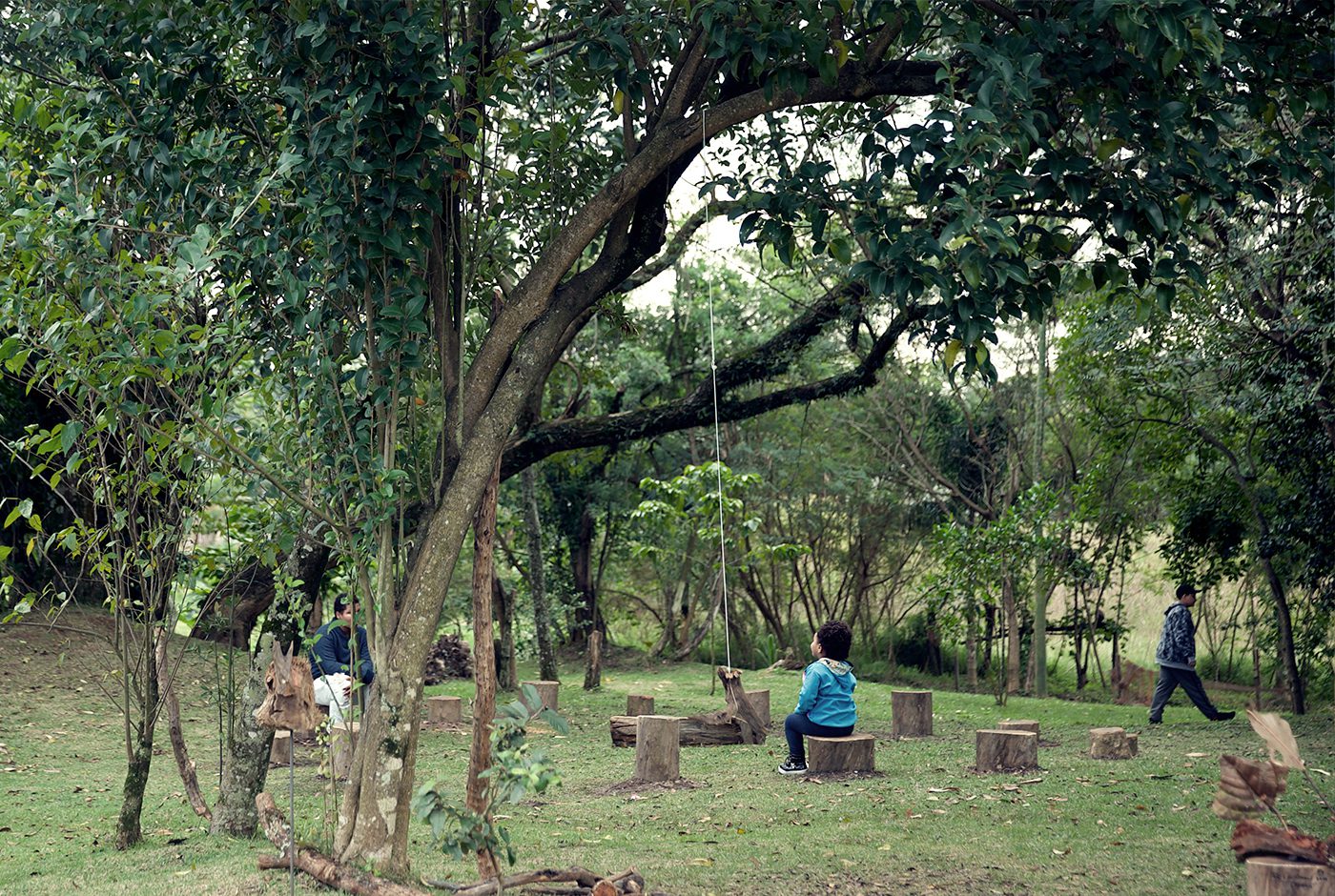
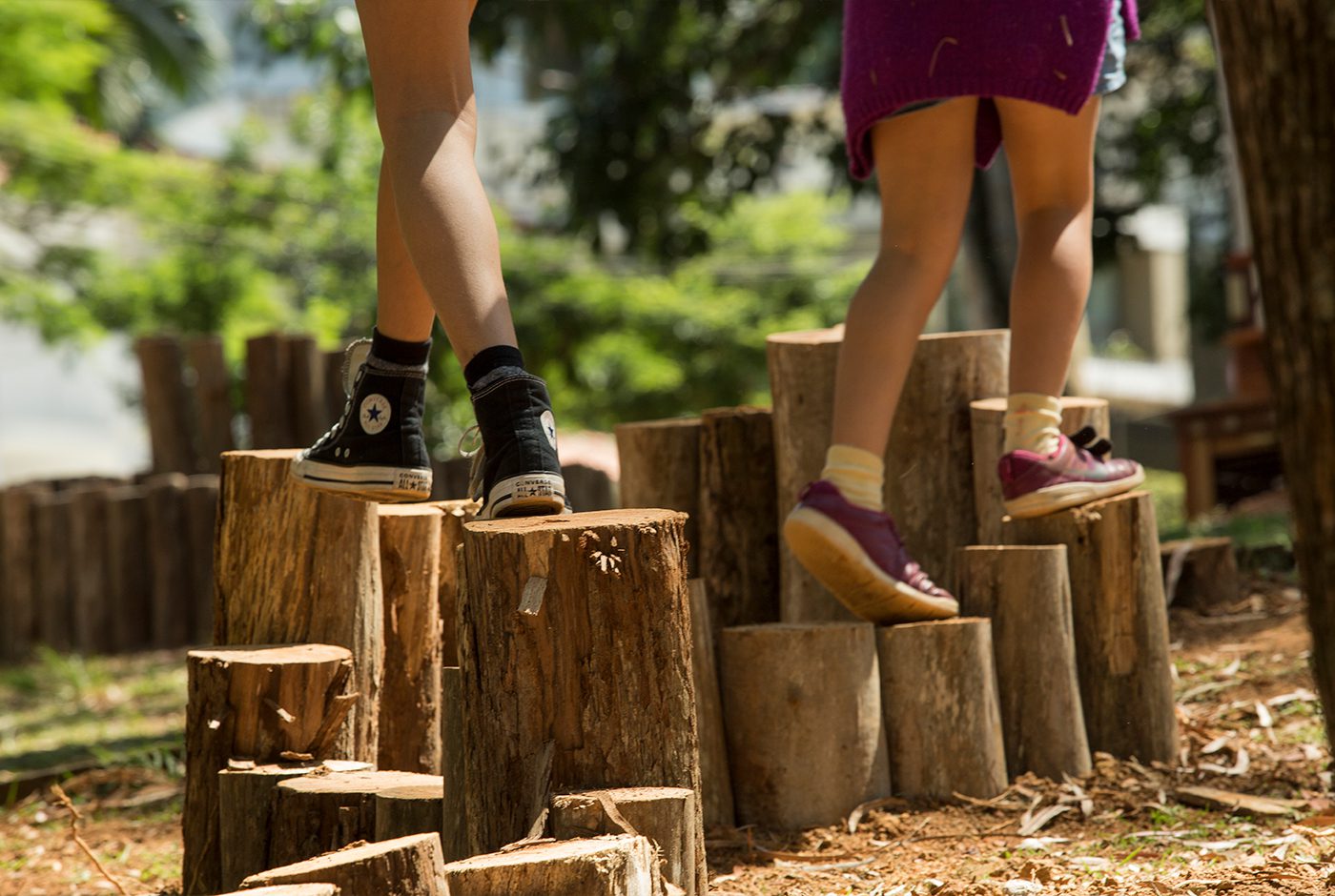
The session invites debate on the strategic role of schools in minimizing the impact of socio-environmental crises, especially the climate crisis, on children and the entire school community, through the adaptation of infrastructure through the combination of the implementation of Nature-Based Solutions, bioclimatic strategies and the naturalization of outdoor spaces.
Because schools are numerous and well-distributed throughout the region, they play a central role in the lives of children and their families. They are part of everyday life, serve as places for community interaction, are part of the social safety net, and are centers for the dissemination of knowledge and culture. Extreme events, such as heat waves, landslides, droughts, and floods, increasingly frequent and intense, have disrupted educational activities, harming not only the teaching-learning process but also the physical and emotional health of students and education professionals.
While we need to consider actions that anticipate worst-case scenarios, we must also prepare for the impacts of climate change on the daily life of schools. In this sense, Nature presents itself as a fundamental ally. It contributes not only to the regeneration of school spaces—making them greener and more resilient—but also to reducing the lack of Nature in children's lives, fostering their integral development and the experience of a vibrant, critical curriculum based on the ethics of care. These benefits converge to strengthen the guarantee of the right to a quality education that promotes health and well-being.
This session will be attended by:
Jerá Guarani, indigenous leader and activist of the Guarani Mbya ethnic group
Pedro Linhares, General Coordinator of Educational Infrastructure at the National Fund for Education Development (FNDE)
Rachel Trajber, coordinator of the Cemaden Education Program at the National Center for Monitoring and Alerts for Natural Disasters (CEMADEN)
Luiz Miguel Martins Garcia, president of the National Union of Municipal Education Directors (UNDIME)
Jaume Barnada, architect and urban planner, coordinator of the Climate Refuges project, in Barcelona.
Free
Registration
Registrations must be made here.
Registration will be open until the start of the activity, on site, as long as there are spaces available.