Project implementation: Brazil
Project development: Brazil

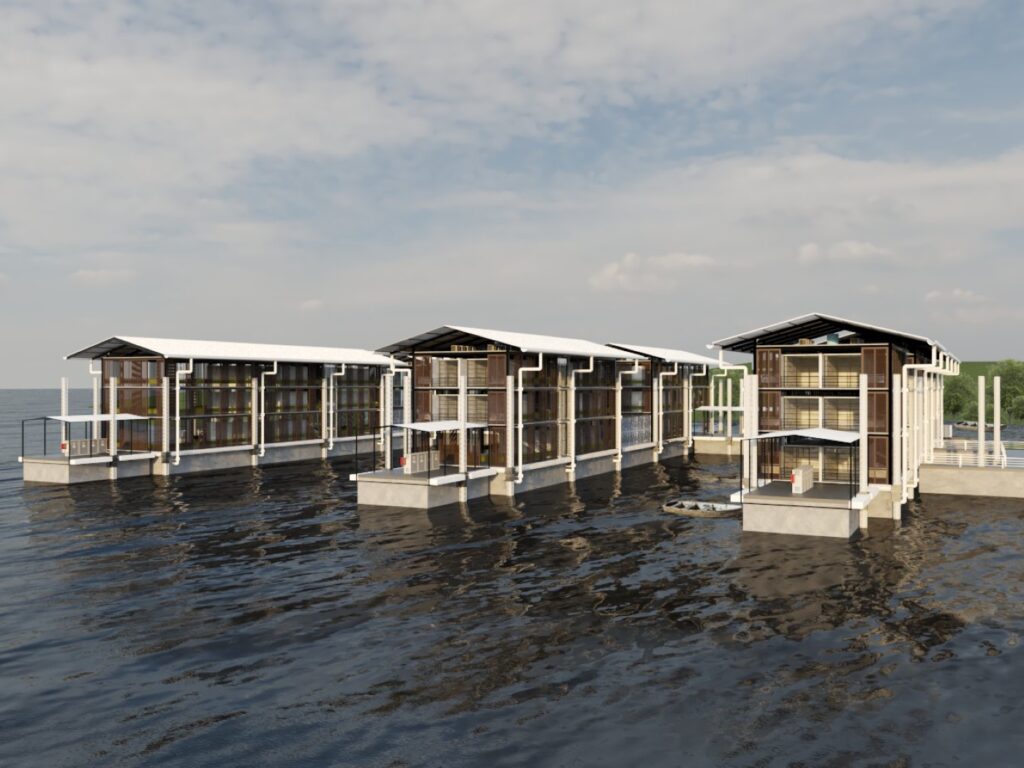
Bianca Cuvello, an architect and urban planner with a degree from the Federal University of Amazonas and a native of Manaus, understands that the urban development of the Amazonas capital is intrinsically conditioned by the natural environment, especially the extensive river basin that characterizes the region. However, rapid urbanization has intensified the phenomenon of peripheralization, creating complex challenges related to social inclusion and access to decent housing. Spatial segregation, in this context, pushes low-income populations to areas where infrastructure is precarious and insufficient.

Given this scenario, amphibious housing emerges as an alternative capable of mitigating these problems, promoting a more balanced integration between residents and floodplain and wetland areas. Amphibious architecture, designed to be built over water, seeks to combine sustainability and technological innovation with construction solutions adapted to the surrounding environment, combining two fundamental structural typologies: stilt housing and floating housing.

This strategy reaffirms the limits and potential imposed by the Amazon's natural constraints, while enabling the occupation of historically neglected and sparsely populated urban spaces. Furthermore, the proposal engages with the city's social and housing issues through design guidelines aligned with the 5 Points for Amazonian Architecture (Cereto, 2024). Therefore, the objective is to reflect on housing solutions that not only respond to Manaus's environmental specificities but also promote the social integration of marginalized populations into the established urban fabric.

Thus, the amphibious housing typology aims to ensure functionality and efficiency, incorporating appropriate equipment and construction systems consistent with local economic constraints, especially in a context marked by scarcity of resources.

The Envolvimentos (Involvements) fostered an open dialogue with social movements and diverse territories, converging on the exhibition of the 14th São Paulo International Architecture Biennial, which runs from September 18 to October 19 at OCA in Ibirapuera Park. Architects and leaders from villages, terreiros, riverside communities, and peripheral neighborhoods jointly explored architectures for inhabiting a heated world in debates that deepened the exhibition's central ideas.

Participants involved in projects across diverse territories and contexts addressing issues such as coexistence with water and floods, heritage preservation, forest protection and sustainable management, urban agriculture, mechanisms for enabling low-impact lifestyles, and the recognition of nature as a subject of rights were invited to participate in the dialogue. These are ways of inhabiting, building, perceiving, participating in, and transforming the territory.

1st Involvement – Declare Emergency

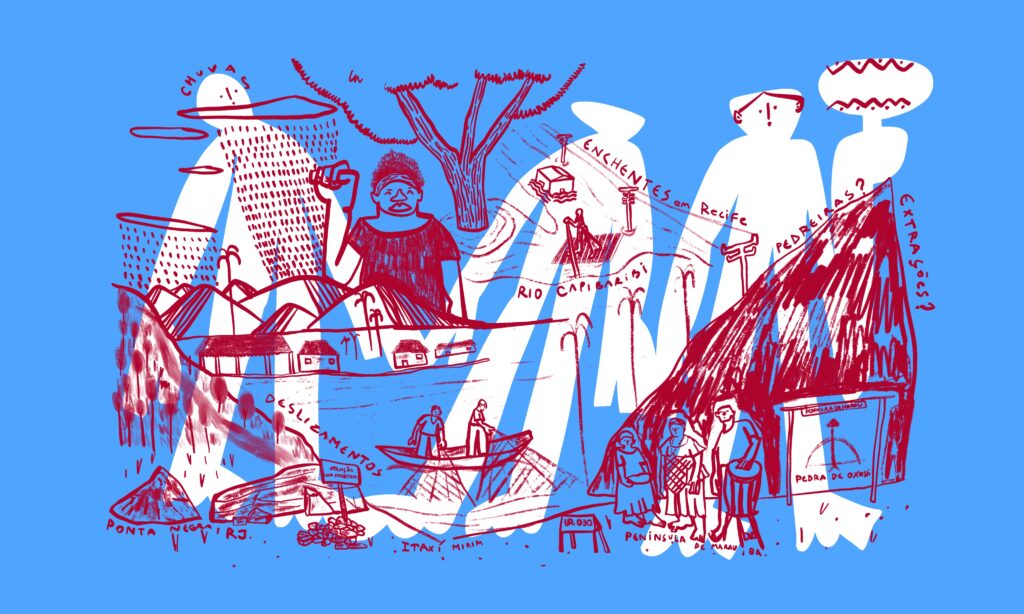
This first meeting discusses the role of architects in emergency response and disaster adaptation, both before and after events occur. It addresses living with risk, community preparedness, and interventions at urban and territorial scales.

Guests:

Joice Paixão
Associação Gris Espaço Solidário
Recife, PE, Brazil

Social scientist, researcher, social educator, conflict mediator, community therapist, Coordinator of Articulação Recife de Luta, operative of the Rede Nacional por Adaptação Antirracista, and territorial coordinator of the Rede de Governança para enfrentamento ao racismos ambiental. Co-founder and current president of the Associação Gris Espaço Solidário, which provides psychosocial support to children and families in vulnerable situations in the neighborhood of Várzea, in Recife.

Maria Alice Pereira da Silva
Morro da Pedra de Oxossi
Salvador, BA, Brazil

Lawyer, Master and PhD in Architecture and Urban Planning from UFBA (Federal University of Bahia), she is a member of the Instituto dos Advogados da Bahia and a consultant for OMPI. CEO of PX Assessoria, she works on integrating traditional knowledge and socio-environmental justice. Activist and guardian of Pedra de Xangô, she advocates for the protection of Morro da Pedra de Oxossi, a sacred site in Maraú (BA) with historical, cultural, religious, and environmental significance, currently at risk of being turned into a quarry.

Fernanda Accioly
Instituto Pólis
Sao Paulo, SP, Brazil

Architect and urban planner graduated from FAUUSP (Faculty of Architecture and Urbanism, University of São Paulo), with a master's, doctorate, and post-doctorate in Habitat and Urban and Regional Planning. She has extensive experience in municipal and federal public administration. She served as Executive Secretary of the Instituto Pólis, a civil society organization that collaborated with the local community to develop the Community Plan for Civil Defense and Climate Crisis Adaptation for the Caiçara community of Ponta Negra (RJ).

Image authorship:

Image 1 – Gustavo Caboco – Download the image here

Image 2 – Guanabara Studio – Download the image here

INVOLVEMENTS

TECHNICAL SHEET

Curatorship and mediation: Marcella Arruda and Marina Frúgoli

Production: Julia Delmondes

Interns: Matheus de Sousa and Yasmin Guerra

Graphic Records: Guanabara Studio and Gustavo Caboco

The Envolvimentos (Involvements) fostered an open dialogue with social movements and diverse territories, converging on the exhibition of the 14th São Paulo International Architecture Biennial, which runs from September 18 to October 19 at OCA in Ibirapuera Park. Architects and leaders from villages, terreiros, riverside communities, and peripheral neighborhoods jointly explored architectures for inhabiting a heated world in debates that deepened the exhibition's central ideas.

Participants involved in projects across diverse territories and contexts addressing issues such as coexistence with water and floods, heritage preservation, forest protection and sustainable management, urban agriculture, mechanisms for enabling low-impact lifestyles, and the recognition of nature as a subject of rights were invited to participate in the dialogue. These are ways of inhabiting, building, perceiving, participating in, and transforming the territory.

Guests:

Jean Ferreira
Belém, PA

From the Jurunas neighborhood of Belém, Pará. He is a co-founder of Gueto Hub and COP das Baixadas, co-curator of public programs for the 2nd Amazon Biennial, and an activist for access to culture, memory, and the climate debate for the peripheries.

Jerá Guarani
Sao Paulo, SP

Jera Guarani, leader of the Kalipety village in the Tenonde Porã Indigenous Territory, in the far south of São Paulo. With a degree in Education, she works as an Environmental Agent, promoting the recovery of traditional seeds, degraded areas, and forests on Indigenous land.

Mother Carmen of Oxalá
Guaíba, RS

Mother Carmen de Oxalá, a Rio Grande do Sul ialorixá, is vice-president of the Rio Grande do Sul State Council of Culture and a member of the Executive Committee of the National Commission of Cultural Points (CNPDC). She is active in combating religious intolerance and holds a degree in Psychology.

Marcele Oliveira
Rio de Janeiro, RJ

Producer, communicator, and climate activist, she was a member of the Realengo 2030 Agenda and is the executive director of Perifalab. Her research focuses on climate justice and environmental racism, focusing on the occupation of public spaces and the right to the city, with a focus on culture and climate.

The impact of a warmer world on coastal cities will be even greater. It's inevitable that we'll learn to live with rising sea levels and obsolete infrastructure. This will be true for urbanized coastal regions, a cross-cutting theme of this thematic session, whose territories are desperate for innovative and radical architectural solutions. The five proposed themes will be covered in the session, which will address topics such as the need to expand port services while preserving forests and mangroves, the historical and contemporary approach to drainage infrastructure, real estate booms and the insistence on road-based solutions, and housing experiences from different political and ideological spheres.

Presentations:
An amphibious and poikilothermic territory: Baixada Santista as a study
Godoi

Green and blue infrastructure: nature-based solutions for mitigating heat islands in Baixada Santista
Janaina C. Botari, Poliana F. Cardoso and Adriana B. Alcantara

High water: climate adaptation and coastal resilience in Santos
Nathan Lavansdoski Menegon

Conflict management as a practice in urban planning: the experience of the Arquipélago Project in Porto Alegre/RS
Camila Mabel da Cunha Kuhn, Raquel Silva, Amanda Kovalczuk and Julia Boff

Adaptation in crisis: discourse dissociated from practice in João Pessoa – PB
Renato Régis Araújo and Ruth Maria da Costa Ataíde

Free

Registration

Registrations must be made here.

Selection will be made in order of registration.

Registration will be open until the start of the activity, on site, as long as there are spaces available.

The climate emergency imposes new paradigms on architecture, which must reconcile sustainability, innovation, and social impact. The panel "Contemporary Architecture and Climate Emergency" is based on the premise that public and private sectors intertwine in environmental responsibility. KAAN Architecten's work seeks to create buildings that positively impact people and nature, integrating sustainable materials, climate adaptation, and cultural appreciation. We reuse existing structures, promote urban densification with active pavements, and build spaces valued by the community. During the session, Renata Gilio, Vincent Panhujsen, and Marco Peixe will present concrete examples organized into five themes: low carbon, community integration, structural reuse, urban densification, and reflection on regulatory changes. The examples presented will be: Lagoa do Sino Library of UFSCar in Buri/SP, Strijp S – Matchbox in Eindhoven (Netherlands), Court of Nancy (France), Utopia – Library and Academy of Arts in Aalst (Belgium), Court of Amsterdam (Netherlands), Ecomuseum of Parque Orla Piratininga in Niterói/RJ, NBB National Bank (Belgium), FAMA – Fábrica de Arte Marcos Amaro in Itu/SP and Lumière in Rotterdam (Netherlands).

Presentations:

Building with stabilized earth: the importance of the global south for land use in construction
Rodrigo Amaral

Solar neighborhoods and climate architecture: integrated urban strategies for a warming world
Ricardo Calabrese

What can a museum be at the edge of?
Maria Eugenia Cordero

Climate Change and the ESG Agenda: Public Policies as Drivers of Resilience and Vulnerability Reduction?
Marcio Valerio Effgen

Between thunder and earth: architecture for climate justice in Pedra de Xangô Park – Salvador, Bahia
Fernanda Viegas Reichardt, Sandra Akemi Shimada Kishi, Bruno Amaral de Andrade, Celso Almeida da Silva Cunha and Maria Alice Pereira da Silva

Free

Registration

Registrations must be made here.

Selection will be made in order of registration.

Registration will be open until the start of the activity, on site, as long as there are spaces available.

This session proposes a reflection on the transformative role of Nature-Based Solutions (NbS) in the ecological, symbolic and social reconfiguration of urban public spaces. Inserted in the second thematic axis of the 14th BIAsp – Living with waters –, the proposal is based on experiences that combine architecture, urbanism and landscaping with the regeneration of ecosystems, valuing strategies that strengthen territorial resilience and climate justice.

Initiatives ranging from the renaturalization of water bodies and slope stabilization to urban redesign and community co-creation of public spaces will be presented, discussing the application of NBS as a strategy for climate resilience, environmental justice, and reconnecting the city with its water systems.

Among the highlights will be project experiences related to the proposed topic, developed by the firm Ecomimesis Soluções Ecológicas, represented by its partners Amanda Saboya, Caroline Fernandes, and Pierre-André Martin. In particular, the Realengo Susana Naspolini Park in Rio de Janeiro will be presented, a project that encompasses a wide range of Nature-Based Solutions aimed at managing rainwater and mitigating the effects of climate change.

The session also invites participation from other national and international experiences – urban, peripheral, or natural – that address coexistence with water as a tool for urban restructuring, environmental regeneration, and social inclusion, contributing to a broad agenda of innovation in territorially sensitive ecological infrastructure.

Presentations:

Urban Sustainability: Mapping Green and Blue Connections Around Realengo Park, RJ
Pierre-André Martin, Amanda Saboya and Caroline Fernandes

Wetland Living Lab: water as a generator of a post-carbon landscape
Oriana Alessandra Durán del Valle, Mariela Martínez Álvarez and Andrea Reyna Aguilar

Bamboo containment experiences for slopes in the municipality of Franco da Rocha – SP
Nathalia da Mata Mazzonetto Pinto and Marcos Paulo Ladeia

From the Jaguaribe River Basin to Climate Justice: Public Spaces Supporting Nature-Based Solutions and Water Compensation in João Pessoa
Bruna Ramos Tejo and Ruth Maria da Costa Ataíde

Nature-based community solutions in the Uberaba Stream Basin, São Paulo/SP
Elisa Ramalho Rocha, Lara Cristina Batista Freitas and Luis Octavio PL de Faria e Silva

Free

Registration

Registrations must be made here.

Selection will be made in order of registration.

Registration will be open until the start of the activity, on site, as long as there are spaces available.

Climate change research is based on observations of environmental phenomena and is fundamentally based on scientific data measured at specific sites, indicated in previous mappings as points of special interest. This information is transformed into scientific content in the most diverse areas of knowledge, including architecture and urban planning. Our proposal is to highlight the importance of fieldwork, such as monitoring the climate situation. We consider monitoring based on cross-methodologies. Consequently, as an unfolding of this specific knowledge, we highlight the steps involved in these research processes: the development of devices and sensors; data collection; subsequent analyses; data models and proposals based on previous monitoring. Thinking about sustainable development encompasses transdisciplinarity and collective work, without which urban planners would not approach the environmental complexity faced today. We invite you to debate monitoring as part of a consistent and transversal contribution to planetary emergencies.

Presentations:

The contribution of monitoring Alameda de Talca to the Río Claro Basin Study
Silvia Maciel Sávio Chataignier, Carlos Esse and Rodrigo Santander

The Christmas Real World Experiment (RME)
Jean Leite Tavares

Microclimate monitoring from open data: a case study in the Maré Complex (RJ)
Carolina Hartmann Galeazzi

Climate variability and trends in temperature, precipitation, and solar radiation in the states of São Paulo and Rio Grande do Norte: temporal analysis and regional implications
Camila Fernanda Aparecida Silva and Marcia Akemi Yamasoe

Climate change research starts from observations of environmental phenomena
Rodrigo Mendes de Souza

Possibilities and contradictions of urban and environmental instruments to face the climate crisis in Natal-RN
Sarah de Andrade e Andrade, Ruth Maria da Costa Ataíde, Venerando Eustáquio Amaro and Larissa Nóbrega Sousa

Free

Registration

Registrations must be made here.

Selection will be made in order of registration.

Registration will be open until the start of the activity, on site, as long as there are spaces available.

Project implementation: Brazil
Project development: Brazil

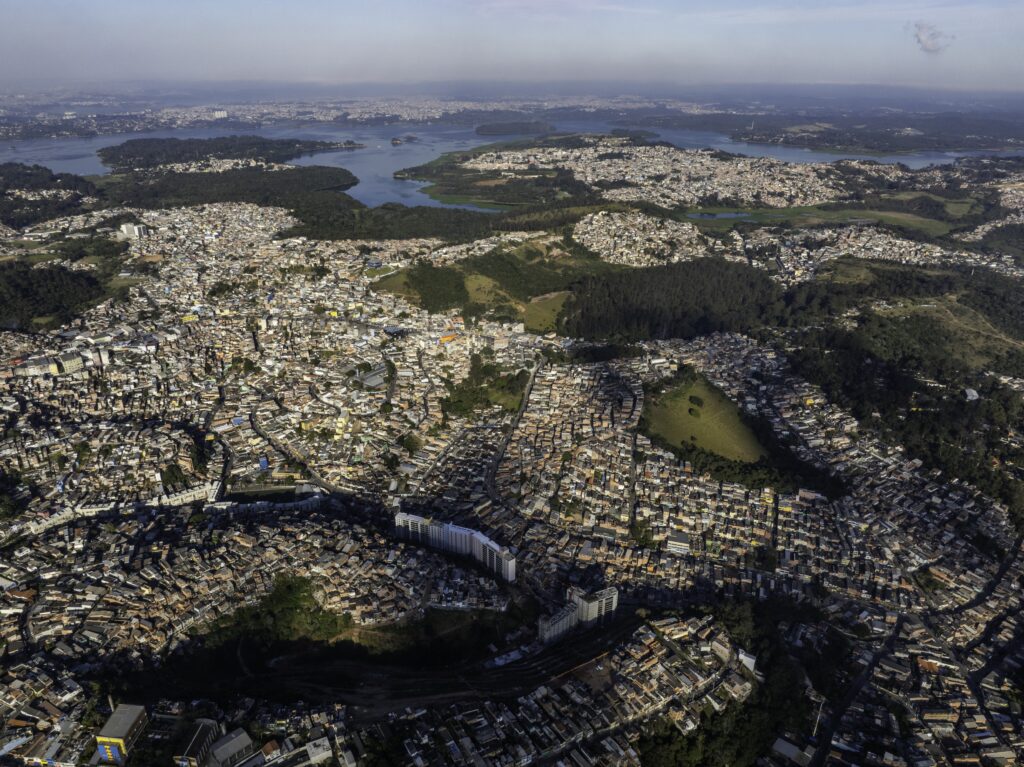
The Mananciais Program is a public policy for integrated urbanization aimed at São Paulo's watershed areas, focusing on the Guarapiranga and Billings river basins. Its origins date back to the 1990s, when the Guarapiranga Program was created, a pioneering landmark of socio-environmental intervention in the city. Over three decades, the initiative has evolved to encompass new territories and methodologies, consolidating its position as a benchmark in the reconciliation of urbanization and environmental preservation.

Conceived by Elisabete França, an architect and urban planner recognized for her work in housing policies and urban renewal, the Program gained a new institutional structure in 2021 with the creation of the Mananciais Program Executive Secretariat. Elisabete served as the first executive secretary (2021–2024), leading the resumption of Phase 3 and structuring integrated action across different areas of the City Hall. Beginning in 2024, the program was led by Maria Teresa Fedeli, who maintains the program's intersectoral strategy and reinforces its social and community dimension.

The Executive Secretariat has a multidisciplinary team, mostly composed of young women, who work directly on planning, coordinating, and monitoring the projects. This composition gives the Program an innovative perspective, sensitive to issues of gender, social inclusion, and territorial equity.

The Phase 3 strategy combines sanitation, drainage, containment, paving, and housing projects with social, cultural, and environmental initiatives that strengthen urban resilience and climate justice. One of the distinguishing features is the adoption of Nature-Based Solutions such as rain gardens, bioswales, retention ponds, and river parks, which integrate urban drainage and environmental preservation into the city's design.

The Program also promotes the implementation of public facilities—Basic Health Units, Early Childhood Education Centers, TEIA Spaces, libraries, sports and cultural centers—by establishing intersectoral partnerships with various departments. These facilities serve as social anchors, bringing essential services closer to the population and strengthening community ties.

Social participation is a structuring axis: workshops, listening sessions, collective plantings, and cultural activities bring residents closer to the urban transformation process, fostering a sense of belonging and shared responsibility for the territory. Emblematic experiences, such as the urbanization of Jardim da União, demonstrate how a set of interventions can promote dignity, integration, and new opportunities for historically vulnerable communities.

More than just construction projects, Phase 3 represents an urban and environmental pact that recognizes the interdependence between cities and nature. By promoting integrated and sustainable interventions, the Program reinforces that quality urbanization is also a strategy for protecting water sources, reducing inequalities, and strengthening climate resilience.

Project implementation: Brazil
Project development: Brazil

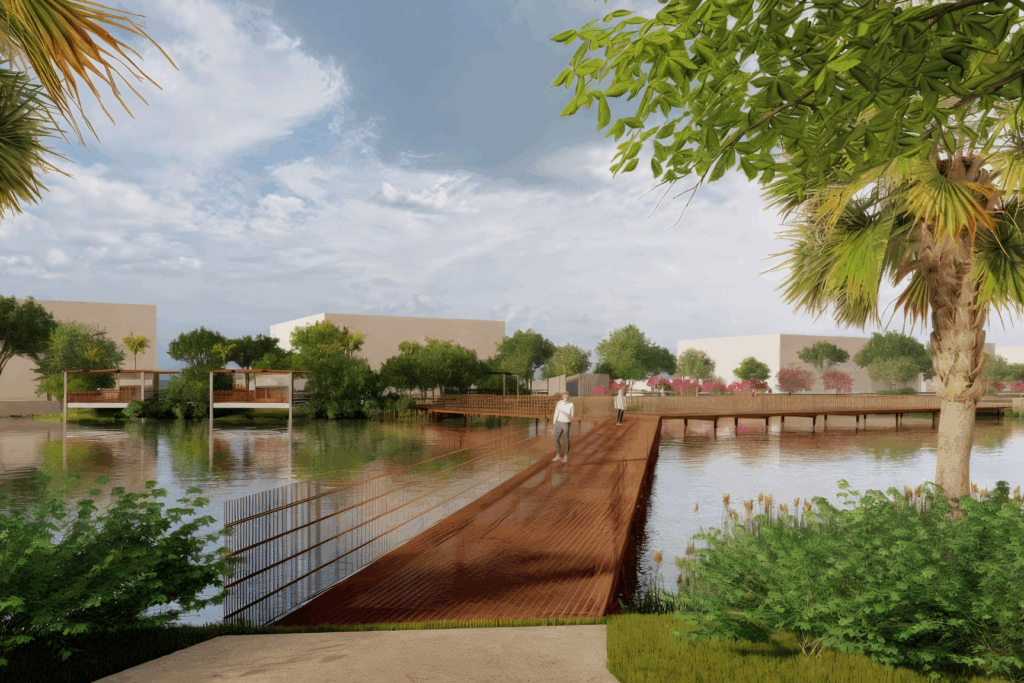
Nova Eldorado is located in a unique area, located in a wetland area between the Lower Jacuí and Lake Guaíba basins, at the transition point between the Pampa and Atlantic Forest biomes. The flat terrain, historically cultivated for rice farming, requires intelligent solutions for drainage and stormwater management. In this context, water management becomes a structuring element, guiding development and occupation guidelines.

More than an urban development, this is a planned neighborhood focused on sustainability, quality of life, and integration between city and nature. Through nature-based solutions, infrastructure, communities, and natural cycles are connected in a way that enhances the local ecosystem and enhances its resilience.

The urban design project, developed by Area Urbanismo, and the urban drainage solutions, designed by Geasa Engenharia, translate this vision into an integrated plan, in which the landscaping and urban design project, designed by PLANTAR, plays a central role: it organizes public spaces, weaves together green areas and ecological corridors, makes water the protagonist and creates environments that encourage active mobility, collective use and coexistence.

The large central park, located on the banks of the buffer lakes in the heart of the neighborhood, combines environmental function with appreciation of the natural landscape, becoming a structuring hub for flows, activities, and encounters. With programs that enliven daily life—fairs, community events, sports facilities, and community areas—the park has established itself as a meeting point and urban pulse of Nova Eldorado, promoting well-being, social interaction, and contact with nature.

The villas, arranged perpendicular to the park, create smooth transitions in the landscape, accommodate specific uses, and reinforce the urban presence. Their color palettes, inspired by local flora, and urban furniture contribute to creating emotional landmarks, strengthening the bond between residents and the land.

An ABC & Embralot project, Nova Eldorado features landscaping and urban design by PLANTAR, a studio specializing in designing and enhancing territories, working at the intersection of landscape, urban planning, architecture, and design. Founded in 2016 by architects Luciana Pitombo and Felipe Stracci, PLANTAR combines sensitive perception, multidisciplinary vision, and technical rigor to connect stakeholders, systems, and knowledge, proposing solutions that strengthen relationships, enhance spaces, and transform realities.

With expertise across multiple scales—from furniture and gardens to neighborhoods, parks, and complex urban areas—the studio offers full-service delivery for outdoor spaces, including feasibility studies, business plans, and operational management, with end-to-end expertise, from consulting and structuring to implementation and operation.

Its purpose is to create places that connect people to nature, others, and themselves, generating social, environmental, economic, and cultural value. Across Brazil, PLANTAR has structured more than 60 concession and PPP projects for parks and public-use assets, as well as private ventures across various typologies and segments, always focusing on sustainability, innovation, and the connection between nature and urbanity.

Project implementation: China
Project development: China

Rapid urbanization is undoubtedly a double-edged sword. While it brings economic and demographic dividends, the excessive pace of spatial development and population growth has led to severe land shortages. Population growth has overwhelmed public infrastructure and support systems, creating significant imbalances. Issues such as energy and water shortages, coupled with overburdened environmental capacity, directly impact the quality of public life and the city's sustainable future.

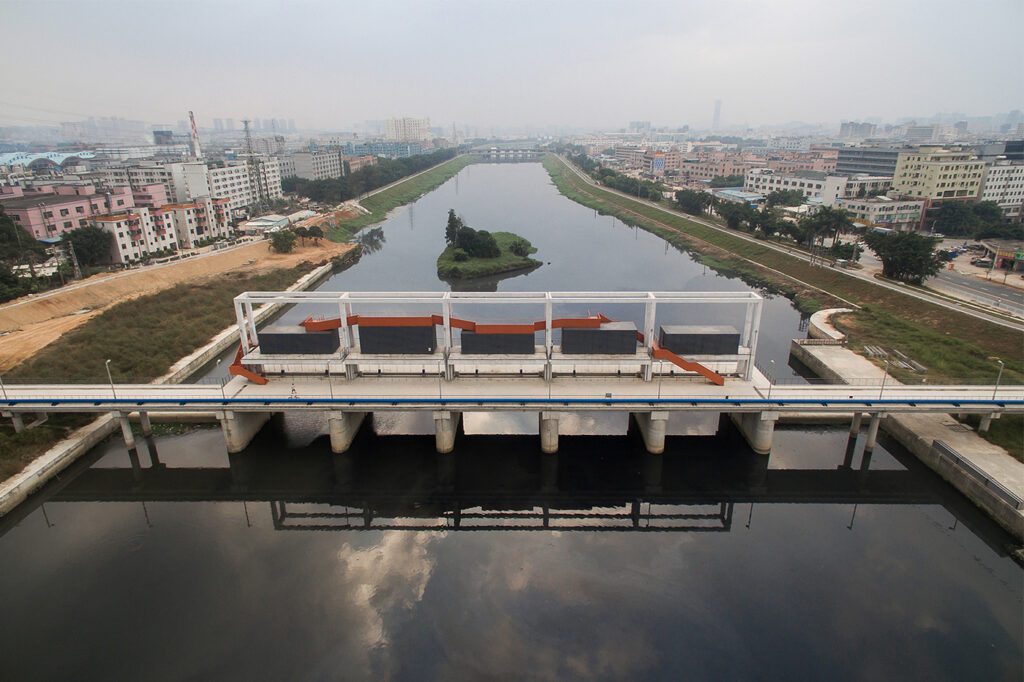
This exhibition presents five representative, research-driven design projects by NODE Architecture & Urbanism over the past few years in Shenzhen. The aim is to provide a comprehensive overview of NODE's "non-typical" creative practice in urban renewal and infrastructure publicization, emphasizing the ontological exploration of architecture. Additionally, the exhibition includes a research project by the Greater Bay Area Innovation Design Lab titled "Water and Urbanization: The Case of Shenzhen," which addresses issues related to land, water infrastructure, and the interconnection of public spaces. This project offers both a systematic reflection on water environments at regional and urban scales and design perspectives for future solutions to related crises.

Doreen Heng LIU, Founder and Principal of NODE Architecture & Urbanism (NODE), holds a Chartered Architectural Diploma from the Royal Institute of British Architects (RIBA); a Doctor of Design from Harvard University; and is a Fellow of the Architectural Society of China. LIU and her studio NODE are based in Shenzhen and Hong Kong, and have been pursuing diverse architectural and urban design practices in the PRD and the wider region for years. Since September 2020, she has been appointed a Full Professor at the School of Architecture and Urban Planning at Shenzhen University and Director of the Greater Bay Area Innovation Design Lab.

NODE Architecture & Urbanism was established in 2004. As one of the most influential independent architectural practices in southern China, it has received widespread attention at home and abroad. Focusing on urban space and public life, it insists on ontological research and practice, pursues innovation based on rigorous pragmatism, and explores the inherent logic of architectural concepts regarding openness and compatibility. Through interdisciplinary interaction and stimulation, the studio maintains its forward-looking and experimental nature in architectural design practice.

Shenzhen University The Greater Bay Area Innovation Design Lab was officially established in 2021. Founded by Doreen Heng Liu, the lab is a pioneer in research and design in the current GBA and global urbanization. Through design-oriented research methods and an interdisciplinary approach, combining teaching, exhibitions, publications, academic conferences, experimental design practice, and research and development, the GBA Lab is dedicated to cross-disciplinary integration and the exploration of innovative, human-centered solutions to contemporary urban and rural spatial problems.

Project Team: NODE Architecture & Urbanism
1 Yong-chong River Lock: Doreen Heng Liu, Jiebin Huang, Youzhi Wang
2 KU Landscape: Memories on the Ground: Doreen Heng Liu, Yijuan Wu, Liu Yang, Zanning Huang, Zhang Shihan, Xu Jingyue, Ruan Yiling, Ni Xiaoyi, Peng Ziqi (Intern)
3 Shenzhen Lotus Water Culture Base: Doreen Heng Liu, Jiebin Huang, Zanning Huang, Liu Yang, Xu Jingyue, Lin Xiaohong, Huang Junhao, Yang Jiahui, Xu Zhibo, Lu Qingsong, Zhou Yupeng
Interns: Lu Weimin, Zeng Shuya, Wang Manzhi, Tang Yueyu, Li Xin, Tian Haoyuan
4 Pingshan High School Pedestrian Bridge: Doreen Heng Liu, Jiebin Huang, Yijuan Wu, Zhang Shihan
5 Pingshan Terrace: Doreen Heng Liu, Jiebin Huang, Zhang Shihan, Lian Chen, Lu Qingsong, Chang Xueshi (Intern)

Research Team: GBA Lab – The Greater Bay Area Innovation Design Lab, Shenzhen University
Director: Doreen Heng Liu
Si Liu, Yu Yan, Haoyang Wu
Research and Scenario Team: Fanrui Cheng, Weixin Chen, Junhao Zhang, Juncheng Zou, Yongkang Peng

Project implementation: Brazil
Project development: Brazil

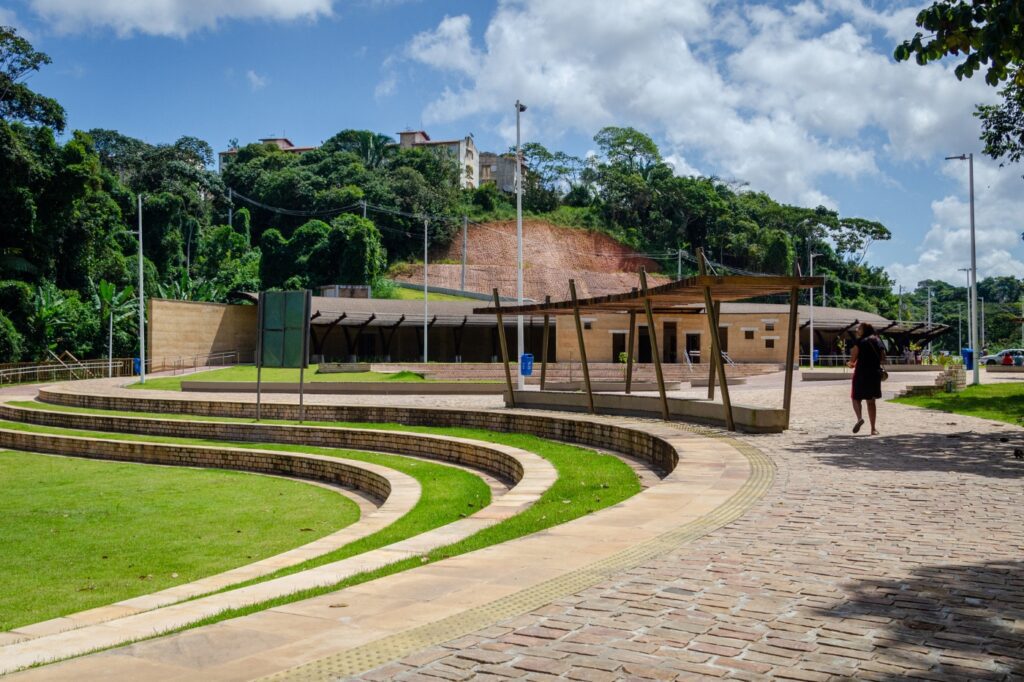
Xangô Stone, a rock formation 27 m in diameter and 15 m high located on the outskirts of Salvador, Bahia, Brazil, has a strong mythical and historical character. According to oral histories, enslaved Black people, fleeing, would pass through its crevice and disappear. A symbol of resistance recognized as the "Altar of Xangô," the stone is a sacred monument for African-based religions and was declared a national heritage site by the municipality in 2017 following a social mobilization. Located in an environmentally protected area, it constitutes a central element of the Assis Valente Environmental Protection Area (APA) and led to the creation of the Xangô Stone Park, covering 4.46 hectares, the first in Brazil to be named after an Orisha.

Designed in 2018 by FFA Arquitetura e Urbanismo for the Mário Leal Ferreira Foundation (Salvador City Hall), through a participatory process involving public agencies, communities, and surrounding religious temples, the project reaffirms the cultural and religious symbolism of the site, integrating nature and built space. Among the identified threats were the impact of Assis Valente Avenue and the pressure of occupation on the forest. In response, a road detour was proposed, creating a buffer zone and a retention basin associated with local legends, as well as an environmental monitoring route to protect the vegetation.

The urban design was structured in three layers: experience (paths and spaces for the convergence of Afro-Brazilian culture), memory (support for Afro-Brazilian memory, integrating stone, water, and vegetation), and intimacy (narrow forest trails for more secluded experiences). The program included a support building with an auditorium, a space for a memorial for Candomblé nations, and administrative and maintenance spaces, articulated by a rammed earth wall that revives traditional techniques.

The implementation respected the topography, occupying a previously deforested area, and fostered a symbiosis between the building and the natural environment. The building features a landscaped green roof, cross-ventilation, and rainwater and solar energy harvesting. The materials used—stabilized earth, ecological brick, wood, natural stone, and Corten steel—ensure low environmental impact and high thermoacoustic performance. The landscaping highlighted sacred species, reinforcing the integration with nature and the religious character of the park.

The project's implementation, particularly due to the adoption of bioconstruction techniques in a public project, required the support of the management and technical teams of the Mário Leal Ferreira Foundation and specialized academic consultancy. The intense participation of African-Brazilian communities ensured the expression of the symbolism of stone, raw earth, and vegetation as a primordial framework. Inaugurated in May 2022, Pedra de Xangô Park thus represents an emblematic space of cultural resistance and environmental integration, contributing to the fight against climate change and strengthening Afro-Brazilian identity in Salvador.

Project implementation: USA
Project development: USA

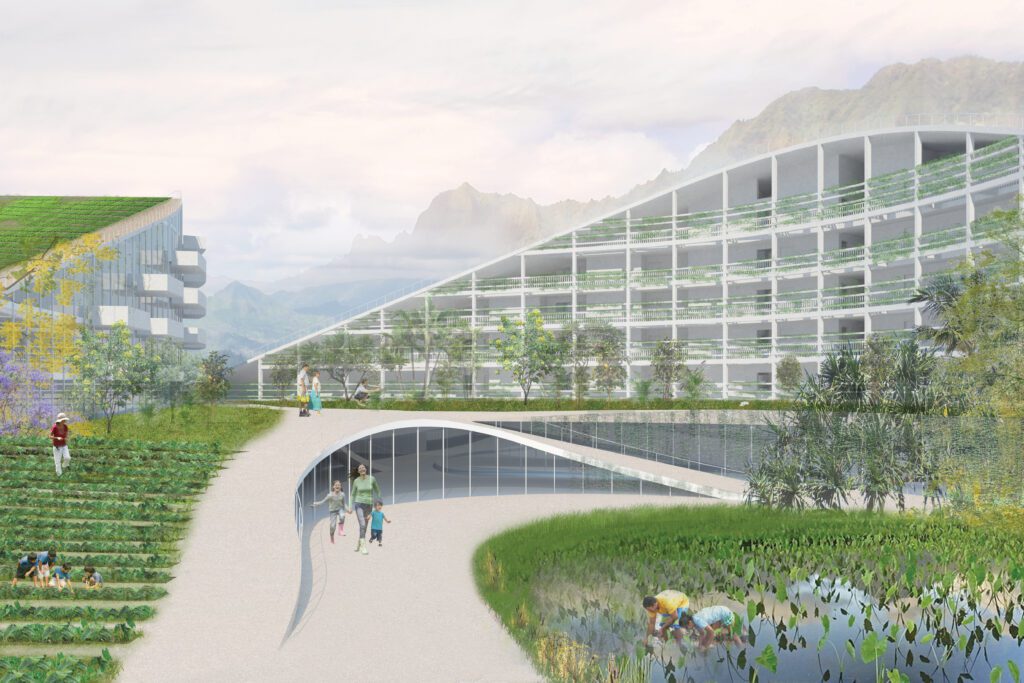
This project investigated the relationship between food, architectural, and urban systems within the context of sustainable and self-sufficient agricultural production in Hawaii. Despite being the only US state with a 12-month agricultural season, the island currently has only 10 days of food reserves if its air and/or sea connections with the mainland are compromised. In this same remote context, approximately 1,000 years ago, the Ahupua'a, a traditional natural resource management system, was created. In this system, ecological elements organize and feed back into each other in a vertical band extending from the ocean to the mountains. Within the geological section, through the coexistence of habitation and land cultivation, the system transforms the watershed into an intensive technological platform for food production. Before the European invasion (1778), several of these systems were fully functional and supported an estimated population of 800,000. Currently, only a few fragments such as lagoon fields (Lo'i), fishponds (loko) and dry land terraces (Kuaiwi) can still be found scattered throughout the islands.

To synchronize demands for urbanization and food production with vernacular strategies and management of environmental conditions in the river basin and ocean, the proposed master plan aims to optimize the existing production system, mediating the development of its urbanization, assuming the role of a support system. By introducing food production at the neighborhood scale through the manipulation of the existing relief, the architecture and landscape become an integrated system.

The new urban morphology enables water purification and retention for irrigating urban gardens. The proposed system also redesigns the river's course, responding to parameters such as topography, rock formation, and existing vegetation. By creating streams and retention/treatment ponds for irrigating crops integrated into the housing system, ecological buffer zones are established, thus promoting sustainable densification of the urban periphery adjacent to environmentally protected areas.

The challenges faced by Oahu with the growing pressure for urbanization in areas of environmental value are not unique: countries in the global South, such as Brazil, could benefit from a territorial organization system like Ahu'pua. Many islands and bays in Brazil also have conditions very similar to Oahu: a tropical climate, mountainous terrain, with freshwater streams, and sufficient river precipitation to support crops without mechanical irrigation. Some notable examples are the islands of Florianópolis, Fernando de Noronha, and the Ilha Grande region. The latter, in particular, has been experiencing significant pressure for urbanization, especially due to the tourism industry.

Project implementation: Brazil, Bolivia
Project development: Brazil, Bolivia

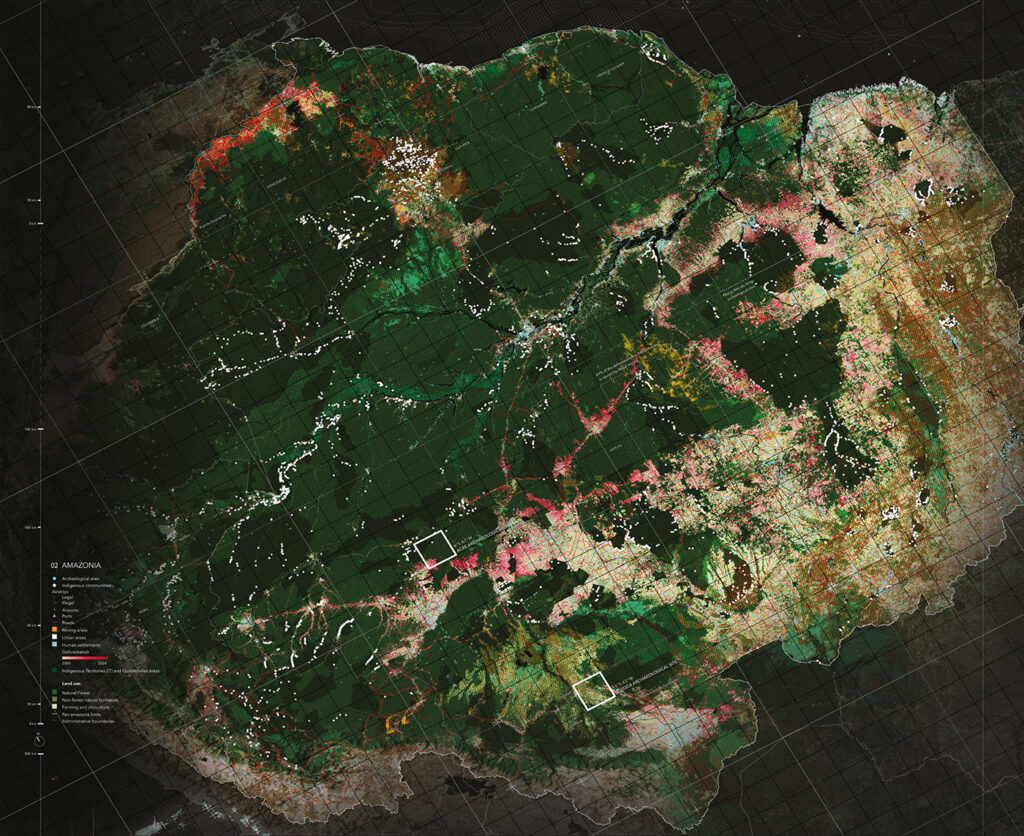
Forest Gens is a critical cartography project that reveals the extent of anthropogenic transformations in the Amazon. Using advanced mapping techniques in the Amazonian context, the project reveals the multiple layers that make up the region. From the footprint of current societies to territorial manipulations dating back centuries, the mapping presents the Amazon as a complex, human-shaped landscape, not as a homogeneous, untouched forest.

The work portrays the Amazon territory at multiple scales, highlighting how the interaction between geography and human interventions—past and present—allows for the development of hypotheses about the region's occupation. A focus on recent data obtained through remote sensing images in the Cotoca region of Bolivia reveals archaeological remains of ancient forms of low-density tropical urbanism. Similarly, a system of interconnected sites of indigenous black earth—organic residues of human occupation used to estimate the size and duration of ancient settlements—suggests prolonged manipulation of the Amazon environment by human societies.

Taken together, these visualizations contribute to raising awareness of the traces our ways of relating to this landscape have left throughout history, profoundly altering the boundaries between nature and society in this environment. The work is expected to contribute to the growing debate on how our societies can reinvent the relationship between urbanization and nature conservation, and imagine radically new—and less anthropocentric—futures for the Amazon.

Authorship
Concept: POLES | Political Ecology of Space
Collaboration: AO | Architects Office
Team:
Gabriel Kozlowski (Director)
Miguel Darcy
Carol Passos
Thiago Engers
Chiara Scotoni
Archaeological Research in Bolivia (Direction):
Heiko Prümers
Carla Jaimes Betancourt

Virtual Tour of the 14th BIAsp 

The 14th São Paulo International Architecture Biennial, Extremes: Architectures for a hot world., It has expanded beyond physical space and can now be visited from anywhere! 

The virtual tour offers a new perspective on the exhibition, which took place from September 18th to October 19th at the Oca in Ibirapuera Park, allowing for fluid, free, and intuitive navigation between the different spaces. During the visit, curatorial content, high-definition images, and details that deepen the spatial and conceptual understanding of the artworks are available. 

The platform broadens access, preserves the memory of the Biennial, and creates new ways to experience architecture. 

Visit the 14th BIAsp here!  

Explore at your own pace, revisit routes, and deepen your experiences. 

The virtual tour will soon be available on the IABsp (Brazilian Institute of Architects – São Paulo branch) website.